

August Is Pet Dental Health Month
Here’s Why It Matters
August is here again, and in the veterinary world, it’s traditionally the month we shine a spotlight on dental health in pets.
Did you know that dental disease, when left unchecked, can significantly reduce your pet’s quality of life and their lifespan? Dental inflammation and infection don’t just affect the mouth; they can impact your pet’s entire body. That’s why oral health deserves our full attention.
Some pets are more prone to developing dental disease quickly. This can be due to genetics, diet, and hygiene but it all links back to one key factor: your pet’s oral microbiome. Just like in the gut, your pet’s mouth is home to a population of bacteria. When this microbial balance is right, the mouth stays healthy. When it’s off balance, disease can take hold. The good news is, there are ways to influence the oral microbiome in your pet’s favour.
Five Steps to a Healthier Mouth for Your Pet
1. Regularly check your pet’s mouth
Look for signs like staining, tartar build-up (calculus), or bad breath. These are early warnings of dental disease. If you notice them, don’t wait—book a visit with your vet for a proper assessment.
2. Feed a fresh, unprocessed, meat-based diet
Science shows that dietary carbohydrates promote the growth of harmful oral bacteria. The more carbs in the diet, the more tartar tends to form. This is one of the reasons we don’t recommend dry food for pets.
3. Provide appropriate things to chew on
Chewing helps mechanically remove plaque and tartar. It also strengthens jaw bones and the periodontal ligaments. Offer raw meaty bones (safely and under supervision) or high-quality dental chews with proven active ingredients that support a healthy oral microbiome.

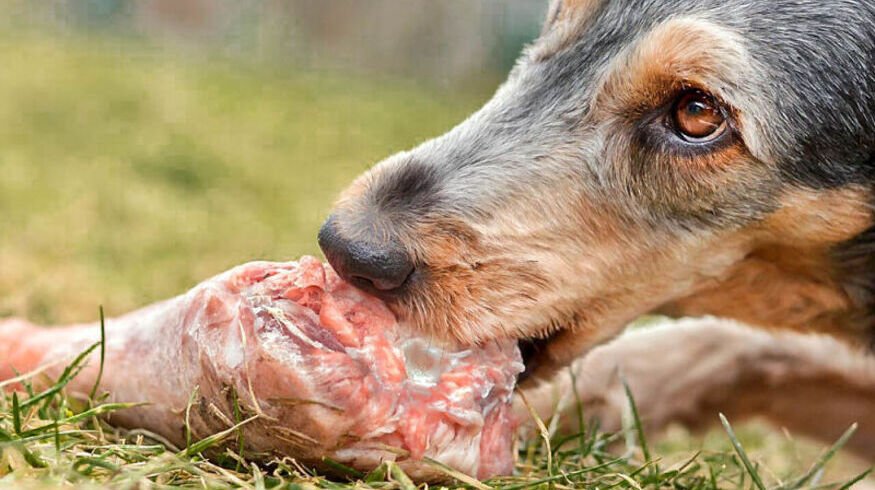

4. Brush your pet’s teeth (yes, really!)
We know, it’s the advice vets give all the time, and the one that’s hardest to follow. But if your pet is prone to dental disease, brushing is one of the most effective ways to slow its return. Use pet-specific toothpaste and either a finger brush or a soft-bristled toothbrush, like a toddler’s.
5. Consider dental-supportive supplements
Certain food additives like Ascophyllum nodosum (a type of seaweed) release compounds through the saliva that help prevent plaque and tartar formation. Other science-backed ingredients, such as specific plant extracts, probiotics, amino acids, and vitamins, can also promote oral health. Choose products with evidence-based formulas and natural ingredients to ensure safety and efficacy.
Vets, The Best Ally
At the end of the day, if you’re unsure about your pet’s oral health, your vet is your best ally. We can assess your pet’s mouth and develop a tailored dental care plan to support them through every stage of life.
Teeth don’t regenerate, so it’s up to us to protect them from the very beginning.
